Redefining Digital Experiences with Kinetic LED Walls
By Elias | 11/05/2026
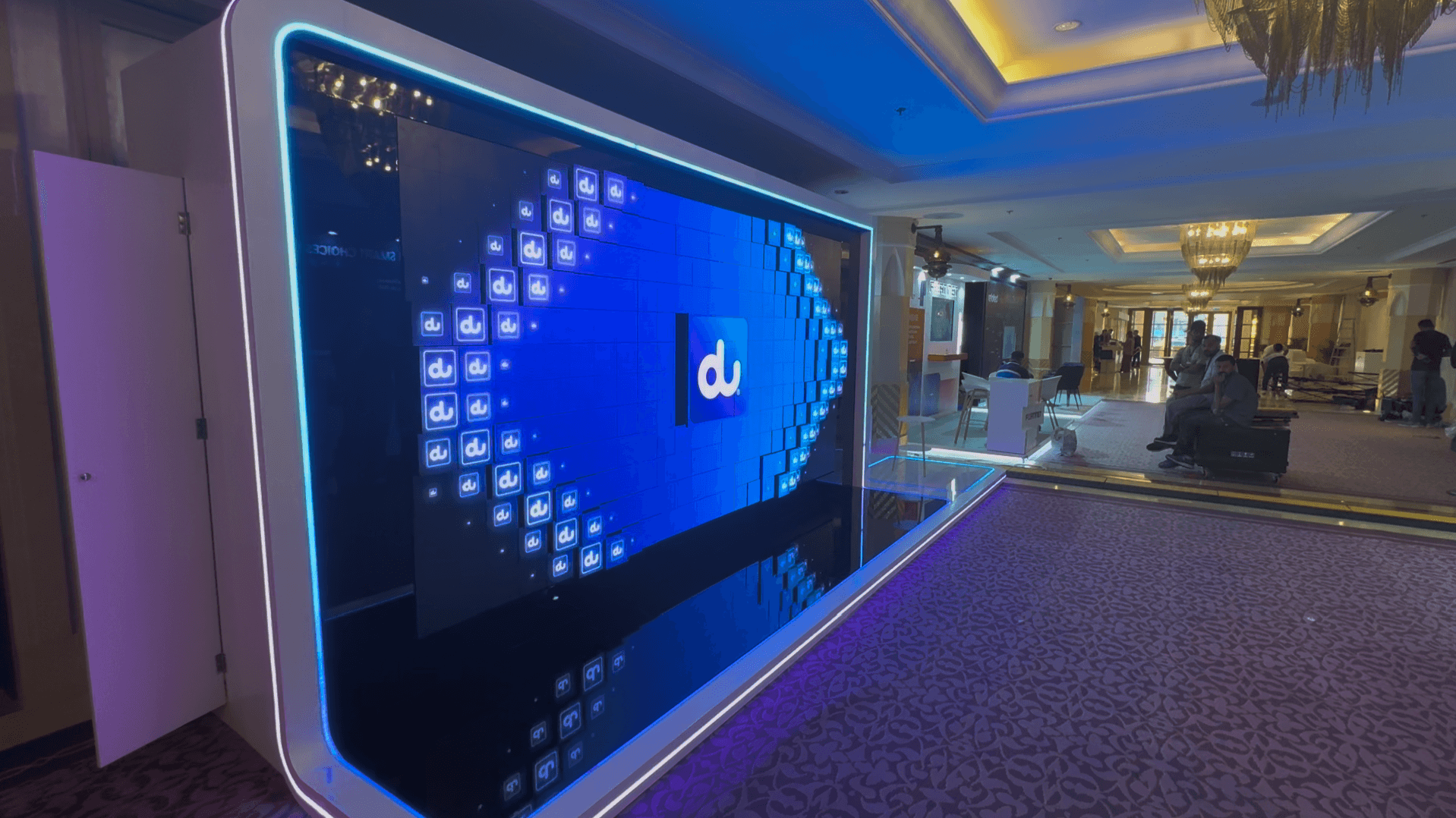
Modern display technology is no longer limited to static screens and traditional visual presentations. The rise of kinetic LED walls has introduced a new era of immersive experiences — combining motion, lighting, and digital content into one extraordinary installation. Designed to captivate audiences and transform spaces, kinetic LED walls merge advanced engineering with creative innovation to deliver a truly dynamic visual environment.
At the core of this technology are high-resolution LED panels integrated with precision motorized systems. Unlike conventional LED displays, these panels are capable of movement through synchronized motors and actuators, allowing the entire structure to shift, rotate, expand, or create fluid wave-like motions in real time. The result is a living digital canvas that adds depth, motion, and interaction to visual storytelling.
From elegant ripple effects to dramatic geometric transformations, kinetic LED walls create mesmerizing experiences that instantly command attention. Whether installed in luxury retail spaces, corporate showrooms, entertainment venues, exhibitions, or hospitality environments, the technology elevates the atmosphere by turning ordinary walls into moving architectural masterpieces.
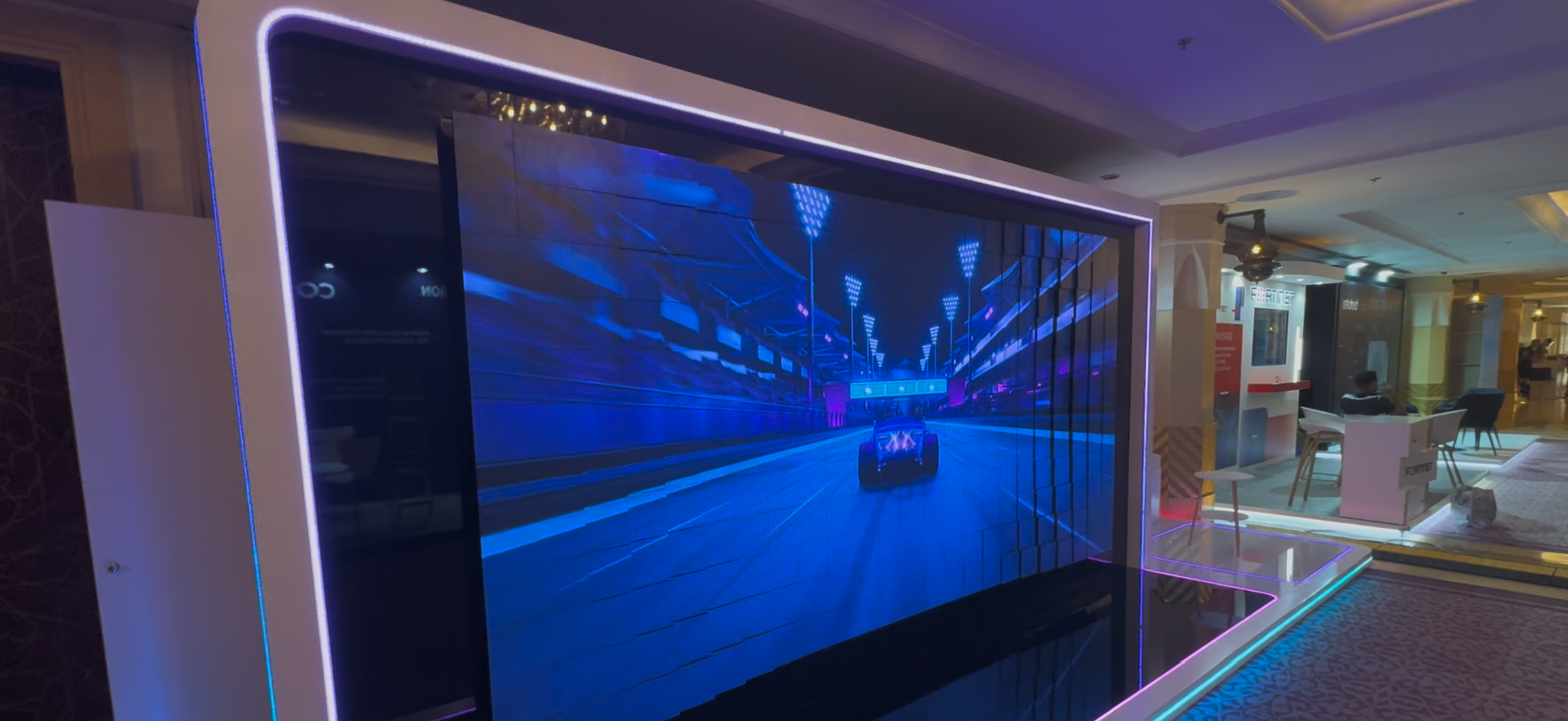
What makes kinetic LED systems truly remarkable is the seamless integration of technology and creativity. Every movement is carefully programmed to synchronize with visual content, lighting effects, and spatial design, creating an immersive fusion of motion and media. This combination not only enhances audience engagement but also leaves a lasting impression through innovation-driven experiences.
Beyond aesthetics, kinetic LED walls represent the future of experiential design. They showcase how advanced automation, digital engineering, and artistic vision can work together to redefine modern interiors and interactive installations. With limitless possibilities in motion and content customization, kinetic LED technology continues to push the boundaries of what visual communication can achieve.
